
Encinitas Adopts New Traffic Study Guidelines for Development |
The October 21 vote sets a framework for reviewing traffic from new projects; a related ordinance still requires further action. |
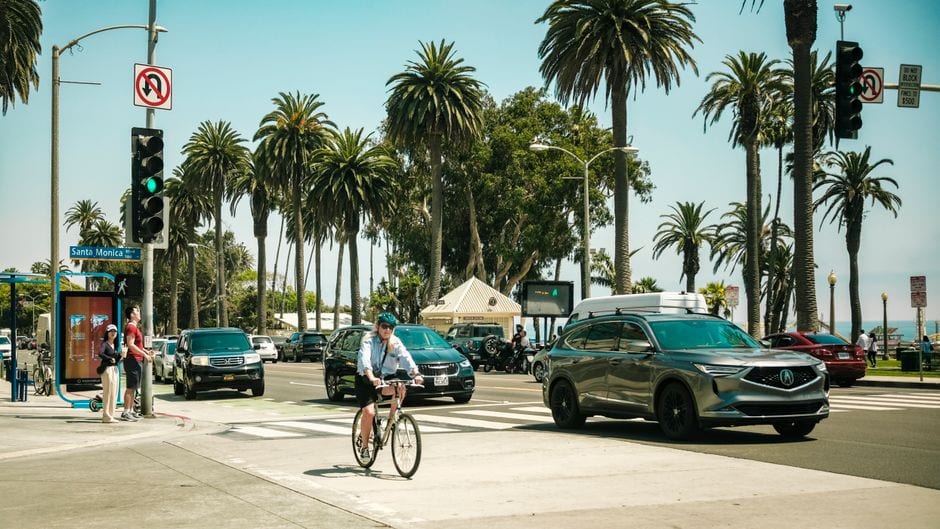
A proposed apartment building or commercial project can bring more than new neighbors and storefronts. It also brings questions about intersections, bicycle routes and who pays when streets need improvements.
On October 21, the Encinitas City Council voted unanimously to adopt Traffic Impact Analysis guidelines through Resolution 2026-45.
Members also introduced Ordinance 2026-11, which would add related requirements to the municipal code. Introducing an ordinance is not the same as adopting it.
What a Traffic Impact Analysis Does
A traffic impact analysis, or TIA, estimates how a development could affect nearby streets. The city's new guidelines establish a standardized process for counting trips, identifying affected intersections, examining safety and considering bicycle, pedestrian and transit access.
According to the city's October 21 staff report, screening criteria include commercial development exceeding 2,000 square feet, residential projects with five or more units, or projects generating at least 50 daily vehicle trips.
That does not mean every small home improvement or accessory dwelling unit automatically triggers a full traffic report. Whether a project needs analysis depends on the applicable screening rules and state law.
Who Pays for Street Improvements?
The guidelines outline how the city would evaluate responsibility for traffic improvements. A project that independently creates a significant operational impact could be responsible for its resulting improvement.
When several developments together cause a significant impact, qualifying projects could contribute proportionately toward design and construction. The framework also addresses fair-share contributions toward existing capital improvement projects in affected areas.
These are methods for evaluating obligations, not a new flat charge on everyone who builds. The city must still follow applicable limits on development conditions and housing approvals.
Why the Rules Needed Updating
State Senate Bill 743 shifted transportation analysis under California's environmental review law toward vehicle miles traveled, or VMT, rather than relying on congestion alone. Cities can still examine intersection operations and traffic delay for local planning purposes outside that environmental test.
Encinitas staff said its existing procedures lacked a single council-adopted document covering project screening, analysis methods, safety review and fair-share calculations. The new guidelines aim to make expectations clearer for applicants, neighbors and city reviewers.
The city's presentation also addresses cumulative effects from approved and pending developments, rather than looking at every project in isolation.
What About ADUs and Housing Laws?
The framework counts accessory dwelling units and junior accessory dwelling units when estimating trips and screening larger projects. The presentation uses 6.21 daily trips per ADU or JADU for that calculation.
Staff also acknowledged that state housing laws can restrict when cities may require mitigation. Identifying a transportation impact does not always give Encinitas authority to impose a new condition on a housing project.
What Happens Next
The October 21 council agenda lists the matter as Item 12C. The resolution adopting guidelines passed 5–0; the accompanying ordinance was introduced, not finally enacted. A later ordinance action still needs to be tracked.
For residents concerned about a future project, the useful question is whether a study is required, what intersections it examines and what legally permissible improvements the city identifies.
Questions About Encinitas Traffic Studies
What is a traffic impact analysis? A review of how proposed development affects traffic operations, street safety and other transportation needs.
Does every ADU need a traffic study? No blanket requirement was established for every individual ADU; applicable project screening and state housing rules matter.
Did council adopt the ordinance? No. It adopted Resolution 2026-45 and introduced Ordinance 2026-11, which requires a later action for final adoption.
Will developers pay for road changes? A project may be responsible for improvements or proportionate contributions when lawful thresholds and conditions apply. |
🌊 Like This Story? Catch the Next Wave. There's always something happening along the coast. Get local stories, interesting people, great places, and things worth knowing delivered straight to your inbox. Fresh Stories. Coastal Vibes. Right in Your Inbox. Free to subscribe. Good stories are better when shared. |



0 Comments
Join the conversation
Be the first to comment
Share your thoughts above.